Showing posts with label firehouse. Show all posts

Monday, October 1, 2012

Firefighter Nutrition- The Glycemic Index

Today's post is important not only for the Fire Rescue Athlete but for anyone trying to stay strong and lean.  I often get nutrition related questions from people about the "best" foods to eat for staying lean.  These questions prompted some research and this post.

In case you didn't know, most diet programs revolve around the Glycemic index.

This scale has been developed to help you understand how the various carbohydrate rich foods that you eat act upon the body and which will be best to eat for a lean body composition and muscle mass gains.

If you were unaware of this fact, then you need to learn about it immediately. And for those of you who already knew that, you still might learn something from this post.

Let’s take a closer look at what the Glycemic Index is all about so you can see why this is one thing that you’ll want to be paying close attention to.

The Glycemic Index--How It Works And Why You Should Pay Attention To It

First let’s address how the glycemic index works. The glycemic index is rating scale that is based off 100% pure glucose, which is given the rating of 100. All other foods are then compared to how glucose affects the blood sugar levels after consumption and rated accordingly.

Those that produce a slower digestion response in the body thus producing a lower degree of blood sugar spike are given a value of less than 100, while those that produce a faster blood glucose spike are given a value greater than 100.

In addition to knowing the glucose index rating for the food, it’s also helpful to take into account the glycemic load of a particular food as this one also takes into account how much food you’re eating as well.

It’s important to pay attention to these two factors because the speed in which the carbohydrates become available to the body cells after release into the blood stream is going to influence factors such as muscle building as well as fat loss.

Eating the wrong foods at the wrong times and you may not be seeing the results you were hoping for.

The Glycemic Index And Its Effects On Building Muscle and Weight Loss

So what do you need to know with regards to how the glycemic index impacts your muscle building diet plan?

What you need to keep in mind is that immediately after the workout, you’re going to want to boost blood glucose levels as high as possible, as this is what will drive the glucose into the muscle cells.

As a result, you’ll experience faster recovery and faster rates of lean muscle growth.

Later on in the day however, when you are out of the post-workout period, it will be important that you are focusing on keeping your blood sugar levels as controlled as possible as this is what will decrease your chance of storing excess body fat and weight. The end result is that you will be leaner and less likely to gain fat.

Using The Glycemic Index To Plan Your Meals

So now that you know what the glycemic index is, how can you use this to time your meals? The main thing to remember is that you should be focusing on having your simple carbohydrates (sugars) that are high in the glycemic index scale immediately after a workout. This is when the blood glucose spike will be helpful and will yield better overall results for you.

At other times of the day the focus should be on only those foods that are low on the glycemic index scale. These will be the ones that are going to have minimal impact on blood sugar levels and help to reduce the blood sugar response you get.

Here is a sample reference chart for you to use to guide your choices:

Low GI (55 or less) – most fruits and vegetables, legumes, nuts, fructose

Medium GI (55-69) – whole wheat products, basmati rice, sweet potato, sucrose, baked potatoes

High GI (70 and above) – white bread, most white rice, corn flakes, glucose, maltose, maltodextrins

To find the GI number for any food check out www.glycemicindex.com

For guidelines on eating lean in the firehouse (or any house) join the Fire Rescue Fitness Nation and get the SOPs to Eating Lean in the Firehouse and the FRF 28-day Quickstart Workout Program.

Stay Safe and Healthy,
A. Zamzow


Sunday, January 22, 2012

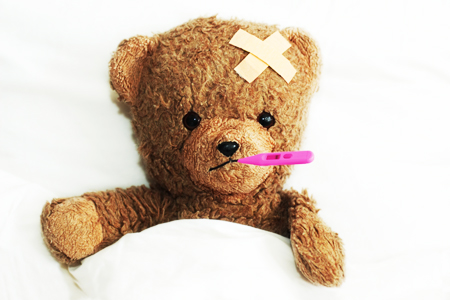
Firefighter Fitness- Should You Exercise While Your Sick?


It’s that time of the year.  The flu bug is in full affect and is probably making its way through a firehouse near you.  We get exposed to lots of different viruses through EMS responses, hospital transports and via the close confines of the firehouse.  I get a lot of people asking me if they should try to exercise while they are battling the flu or the cold.
 According to the American College of Sports Medicine, the general rule of thumb is that if your symptoms are from the neck up; then “yes” give your workout a go.  If your symptoms are below; then “no.” 

Here’s what I mean:

If you have a common cold, runny nose, sore throat, and/or NO fever, then light to moderate exercise is generally “ok.”

If your illness involves body aches, fever, diarrhea, weakness, swollen lymph nodes, and/ or fatigue then it's best to “REST.”

Recommendations to help you get through a workout when you have a cold:

·         Hydrate!  Shoot for half your body weight in ounces of water per day
·         Stretch: increases circulation
·         Light cardio: Cardiovascular exercise causes vasodilatation or widening of the blood vessels to help clear up sinuses and cold symptoms.
·         Slow down: Decrease intensity & duration
·         Germs: Bring your own towel and water bottle and keep your germs to yourself!

Here are some tips to prevent getting the cold or flu:

·         WASH YOUR HANDS!  Keeping hands clean through improved hand hygiene is one of the most important steps we can take to avoid getting sick and spreading germs to others.
·         Rest! Sleep as much as possible to allow the body to recover!
·         Increase antioxidants: load up on fruits and vegetables; focus on Vitamins A, C, E and Selenium
·         Cut sugar & caffeine: Both have been shown to weaken the immune system
·         Eliminate alcohol: I’m not saying to quit, I’m just saying alcohol weakens the immune system. 

The bottom line is that you must “listen” to your body.   Personally, if I'm not feeling too bad, then I like to get a light cardio workout in to increase blood flow and circulation. If I choose to do strength work, I perform a low intensity workout to prevent too much muscle/body breakdown.
Hope these help.

Stay Safe!

Thursday, January 12, 2012

Snacking around the Firehouse

Everyone (especially around the firehouse) loves a good snack. But what actually is a "good" snack.
If you ask some, they will define a good snack as something that tastes great but doesn't fill you up like a meal.  If your stomach starts rumbling and lunch is still two hours away, you're going to need a snack to make it through the day. What firefighters/emts/ must remember is that the foods you eat at snack time can make a big difference in your energy level, decision making, performance, and overall health. Choose the wrong snack, and you'll feel dragged down, tired and cloudy.  Choose wisely, and you'll get the boost and performance you need.  
Choose your snacks wisely, you never
know when you will need the exra energy.
 Before your next snack break, think twice about what you are about to eat and remember the following information when you're craving a snack!

Snacking for Energy
If you find yourself fighting sleepiness in the afternoon, what your body needs is a boost of energy. Snacks eaten midday should contain good fats and protein to give and sustain your energy level. Here are a few good options when you need an energy-boosting snack.

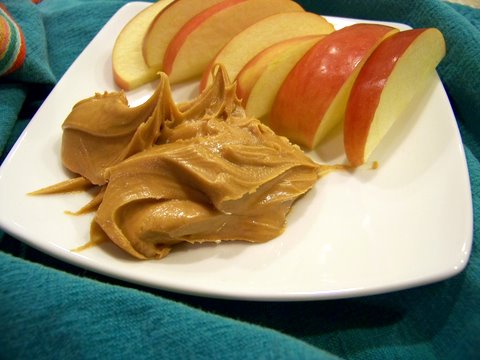
  • A small apple or sliced banana with a tablespoon of peanut butter. The natural sugars in fruit take longer to metabolize than sugars found in candy, and the peanut butter provides the protein needed for long-lasting energy.
  • A quarter cup of nuts and dried fruit. This slow-burning mixture provides protein, good fats (that's right - fats aren't always bad), and plenty of fiber, all wrapped up in a delicious package. Just be careful. Eating too many of these carbohydrates can cause low blood sugar and make you feel even sleepier.
  • One tablespoon of hummus spread on four whole-grain crackers. Made from garbanzo beans, hummus is a great energy booster and is also full of fiber. And the whole-grain crackers are made with complex carbohydrates, which help fill you up without dragging you down.
  • Sliced avocado with deli sliced turkey wrapped around them
Snacking for Weight Management
Many people eliminate snacks when attempting to lose weight. Unfortunately, this is counterproductive, as snacks keep you satisfied between meals. If dinnertime arrives and you're exceptionally hungry, it's easy to overeat. Eating several small snacks throughout the day will help keep your hunger in check. However, you should avoid eating snacks when you're bored, stressed, zoning out in front of the TV, or not paying attention to what you're eating while studying for your next exam.
The key is to choose snacks that fit with your daily calorie and nutrient needs. If your goal is to lose weight, choose low-calorie, nutrient-filled snacks. If you need to gain weight or if you are physically fit and need to replenish energy from a strenuous workout, go for higher calorie, nutritious snacks.
Low-carb snack ideas include vegetables, reduced-fat yogurt and cottage cheese, half of an avocado, and a few deli slices.

I know some of these options may not be popular with all the members of the crew but we all have to remember that what we eat determines how we perform on the fireground and on scene.  Remember, eat like your life depends on it...because it does.